

Product Introduction
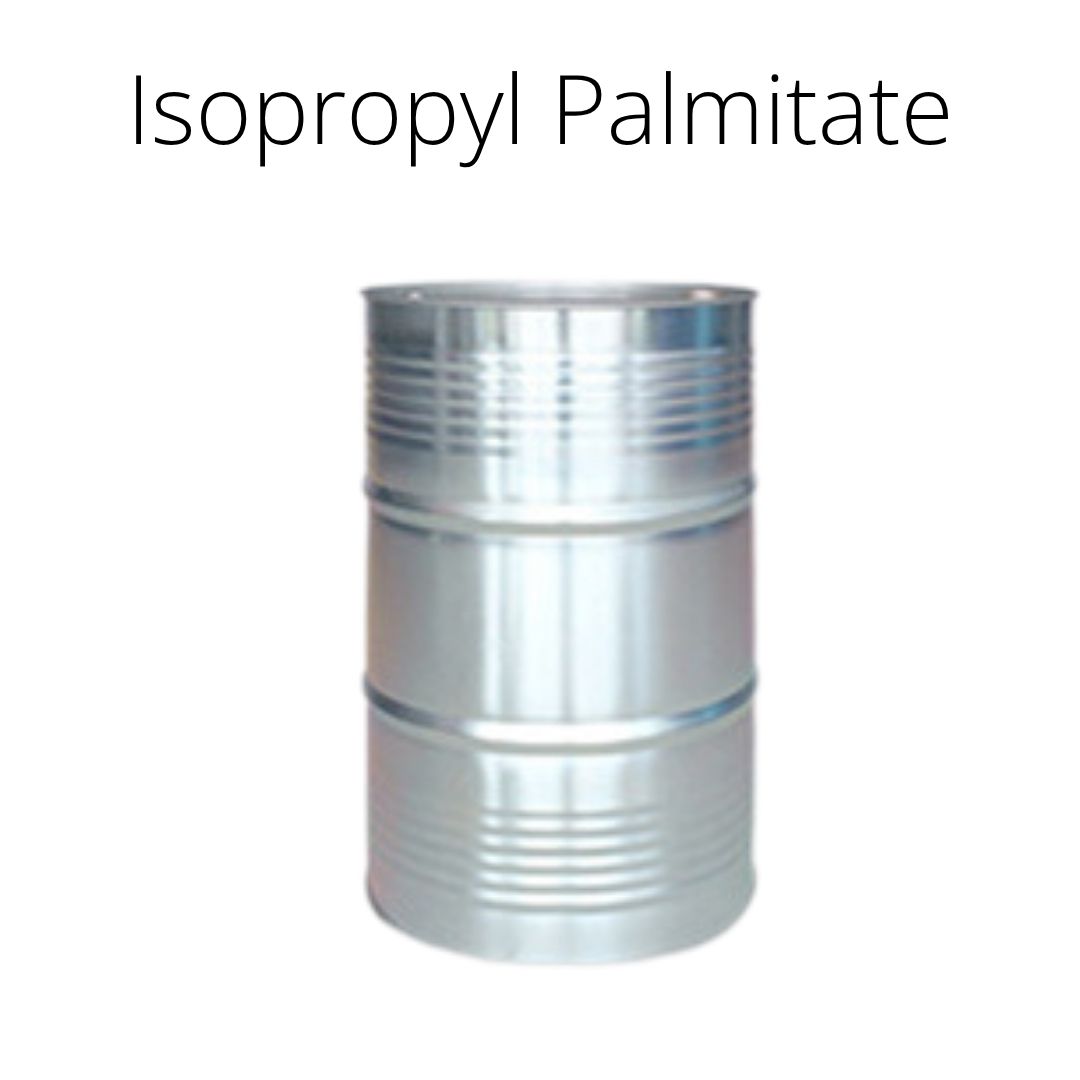
Isopropyl palmitate is an ester of isopropyl alcohol and palmitic acid. It is a clear, colorless liquid at room temperature. The compound is commonly derived from vegetable oils. Isopropyl palmitate is valued for its emollient properties. It is also appreciated for its ability to act as a solvent.
Production Process
The production of isopropyl palmitate generally involves an esterification reaction. Palmitic acid reacts with isopropyl alcohol in the presence of a catalyst. This catalyst is typically an acid, like sulfuric acid. The reaction is usually carried out at elevated temperatures. After the reaction, the mixture undergoes purification. This purification removes excess reactants and byproducts. The final product is then refined to meet the required purity standards.
Efficacy and Function
Isopropyl palmitate functions primarily as an emollient. It softens and smooths the skin's surface. The compound achieves this effect by filling in the gaps between skin cells with lipids. It also helps to enhance the skin's barrier function, preventing moisture loss [1]. In addition, it acts as a solvent, aiding in the dissolution of other ingredients in cosmetic formulations.
Application Scenarios
Isopropyl palmitate is used in a diverse range of cosmetic and personal care products. It is a common ingredient in lotions and creams, where it contributes to a smooth, non-greasy feel [2]. It can also be found in makeup products, like foundations and lipsticks, where it helps to evenly distribute pigments. Additionally, it is used in hair care products to add shine and manageability [3].
Packaging and Transportation
Isopropyl palmitate is typically packaged in airtight containers, such as drums or IBCs (Intermediate Bulk Containers). These containers usually prevent contamination and maintain product integrity. During transportation, it is essential to keep the material away from extreme temperatures. It should also be stored in a dry, well-ventilated area [4]. Proper labeling is necessary to comply with safety regulations.
Citations:
[1] Draelos, Z. D. (2018). Cosmetic Dermatology: Products and Procedures. John Wiley & Sons.
[2] Lodén, M., & Maibach, H. I. (Eds.). (2006). Dry Skin and Moisturizers: Chemistry and Function. CRC press.
[3] Syed, A. N., & Khan, D. A. (2017). Hair and Hair Care: Chemistry and Technology. CRC press.
[4] European Chemicals Agency. (n.d.). Isopropyl palmitate. Retrieved from https://echa.europa.eu/

I adore working with cosmetic ingredients! From emulsifiers to plant-based materials, I help make sure you get the highest quality products. Let’s work together to bring your cosmetic line to life with great, eco-friendly ingredients. 💄🌸