

Mink oil is a natural oil derived from the rendered fat of minks. The oil is prized in the cosmetic industry for its unique fatty acid composition, which contributes to its emollient and protective properties [1]. Rendering is a process that involves heating the fat to separate the oil from solid tissues.
The production process of mink oil typically begins with the sourcing of mink fat from mink farms. The fat is then cleaned and processed to remove impurities. The cleaned fat undergoes rendering, a process where it is heated, usually with steam, to separate the oil from the remaining solid components. After rendering, the oil is further refined through filtration and deodorization to improve its purity and stability [2]. Quality control measures, such as testing for fatty acid composition and purity, are implemented to ensure that the final product meets industry standards.
Mink oil functions primarily as an emollient and occlusive agent. As an emollient, it softens and smooths the skin by filling in the gaps between skin cells. Its occlusive properties help to create a protective barrier on the skin's surface, preventing moisture loss and protecting against environmental stressors [3]. The high concentration of unsaturated fatty acids, contributes to its ability to be readily absorbed into the skin, leaving a non-greasy feel [4].
Mink oil is utilized in a diverse range of cosmetic applications. It is commonly found in creams and lotions designed to hydrate and soften the skin. Its occlusive properties make it suitable for products targeting dry or damaged skin, such as lip balms and cuticle creams. Mink oil is also incorporated into hair care formulations, like conditioners and hair masks, to add shine and improve manageability [5]. Additionally, it can be found in some makeup products, contributing to a smooth and even application.
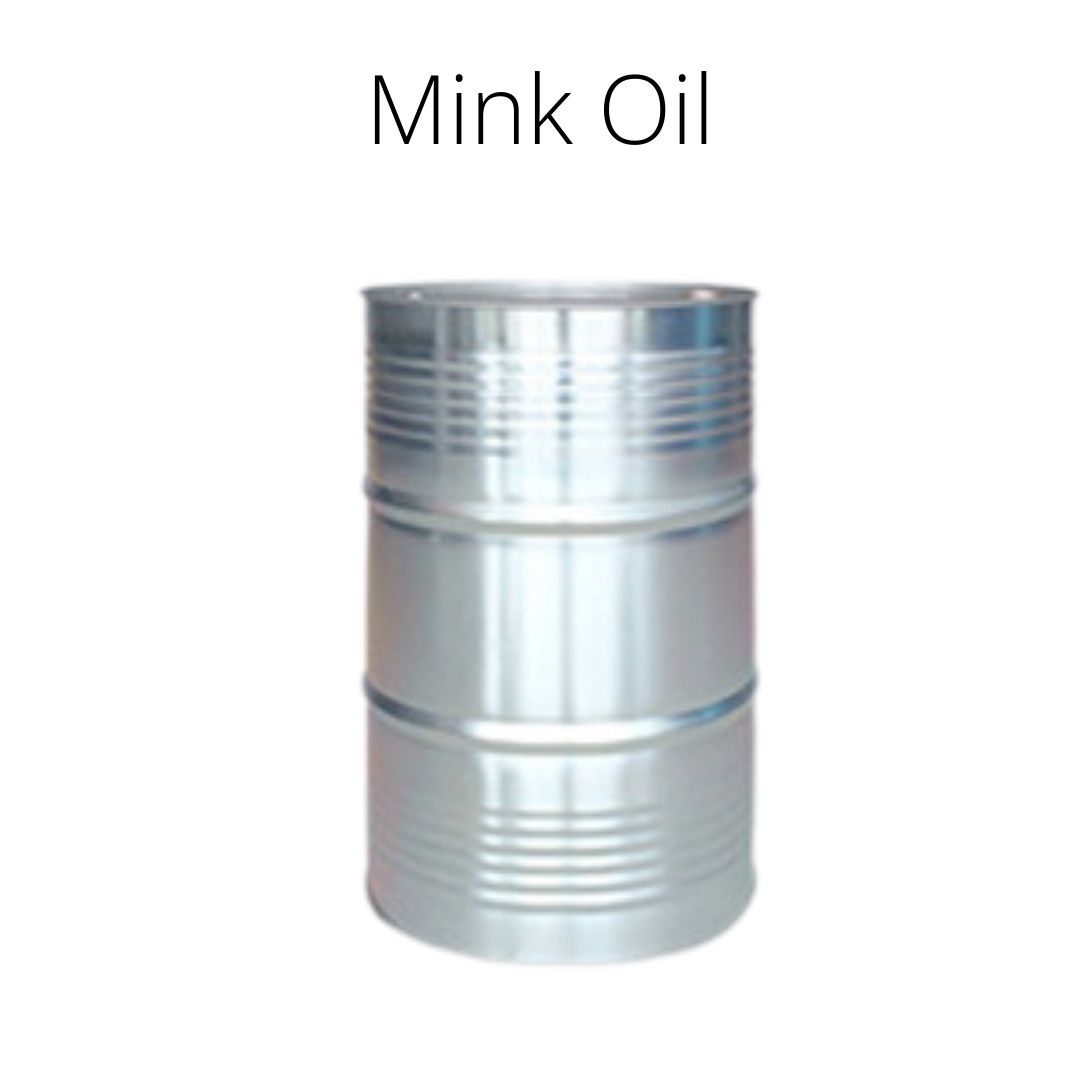
Mink oil is typically packaged in airtight containers, such as drums or plastic containers, to prevent oxidation and maintain its quality. During transportation, the containers are stored in a cool, dry environment and protected from direct sunlight and extreme temperatures. Proper labeling is essential to ensure safe handling and traceability [6]. Regulatory guidelines regarding the transportation of animal-derived products must be followed to ensure compliance.
Citations:
[1] National Center for Biotechnology Information (2024). PubChem Compound Summary for CID 65057, Mink Oil. Retrieved from https://pubchem.ncbi.nlm.nih.gov/compound/Mink-Oil
[2] Spickner, C. J. (1975). Mink oil recovery. Journal of the American Oil Chemists' Society, 52(1), 2-6.
[3] Draelos, Z. D. (2018). Cosmetics dermatology. John Wiley & Sons.
[4] Lin, T. K., Zhong, L., & Santiago, J. L. (2017). Anti-inflammatory and skin barrier repair effects of topical application of some plant oils. International journal of molecular sciences, 19(1), 70.
[5] Gavazzoni Dias, M. F. R. (2015). Hair cosmetics: an overview. International journal of trichology, 7(1), 2.
[6] European Commission. (2009). Commission Regulation (EC) No 206/2009 of 5 March 2009 on the import into the Community of personal consignments of products of animal origin. Official Journal of the European Union, L 77, 1-27.

I adore working with cosmetic ingredients! From emulsifiers to plant-based materials, I help make sure you get the highest quality products. Let’s work together to bring your cosmetic line to life with great, eco-friendly ingredients. 💄🌸